Bambu Lab ABS
1.75 mm ± 0.03 | 87°C Heat Deflection | High Impact Resistance | Water-Resistant | 240-270°C | 1KG RFID Spool
Incl. of all taxes • Free shipping from ₹1,500
Bambu Lab ABS - White
₹1,299
₹1,299
Bambu Lab ABS Filament
87°C Heat Deflection | High Impact Resistance | Water-Resistant | 1KG RFID Spool
The engineering filament for parts that have to work. Bambu ABS is stronger than PLA and PETG, holds its shape to an 87°C heat deflection temperature, and resists water, UV and repeated impacts. Bambu tuned the formula to reduce the warping and cracking classic ABS is known for, while keeping outstanding toughness and good flow for high-speed printing. Requires an enclosed printer.
Key Features of Bambu Lab ABS
Strong & Durable - Built for Functional Parts
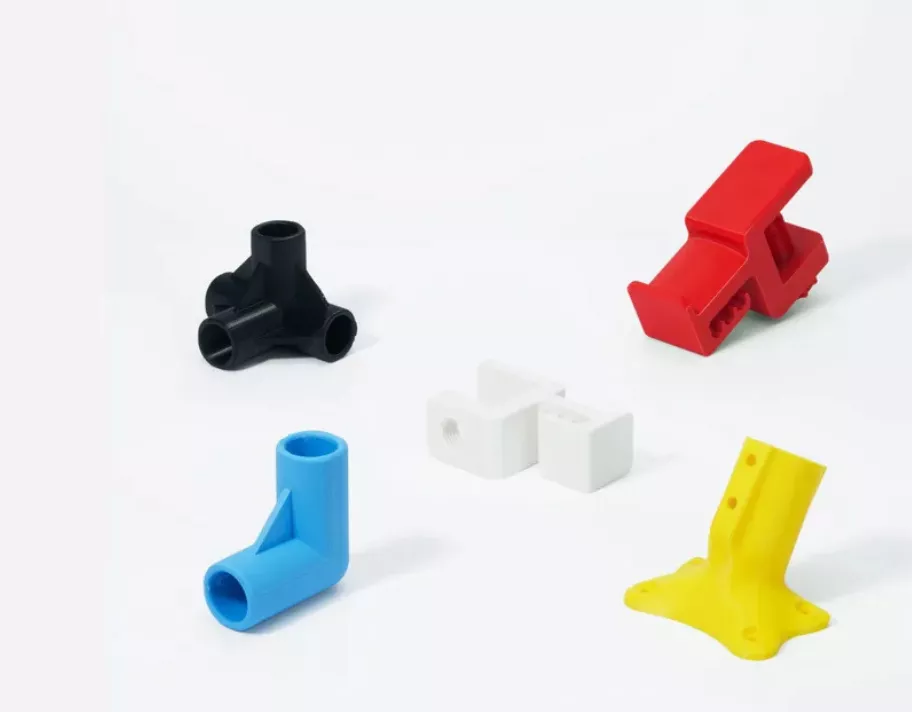
As one of the most widely used engineering filaments, Bambu ABS brings mechanical properties that make it stronger than normal PLA and PETG. It is ideal for functional parts, prototypes and standard engineering components - brackets, connectors, enclosures and jigs that need to keep working, not just look good on a shelf.
- Tensile 33 ± 3 MPa · Bending 62 ± 4 MPa.
- Young's modulus 2200 ± 190 MPa - stiff and dimensionally stable.
- Ideal for functional parts, prototypes and engineering components.
Impressive Heat Resistance - 87°C HDT
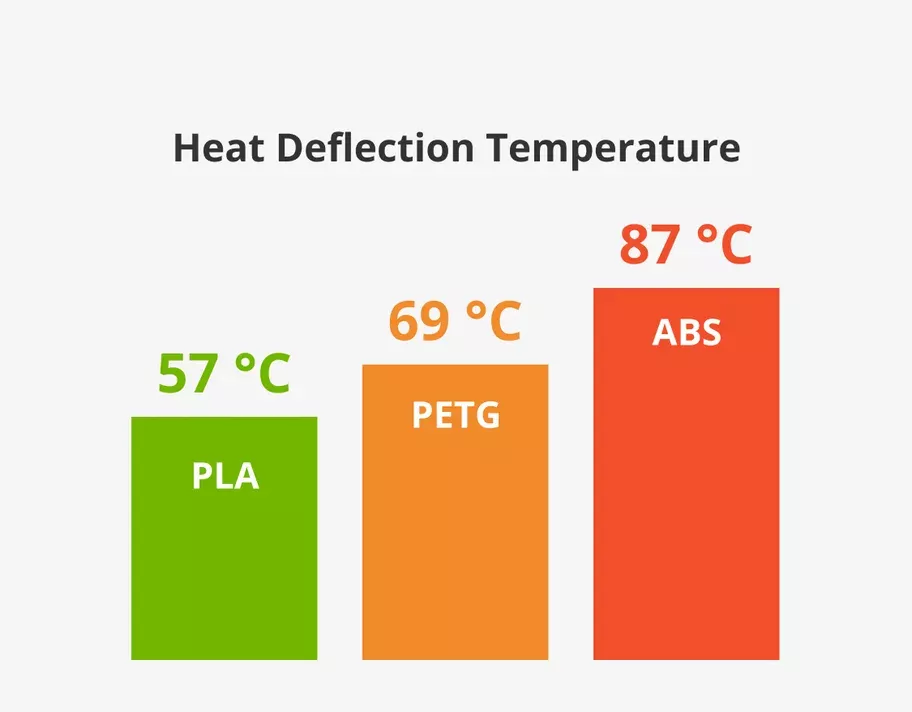
Bambu ABS holds its shape to a heat deflection temperature of 87°C - far beyond PLA (57°C) and PETG (69°C). That makes it the right choice for parts that live somewhere warm: car interiors, enclosures around electronics, tooling near heat sources, or anything left in the Indian summer sun.
- Heat deflection: 87°C at 0.45 MPa (84°C at 1.8 MPa).
- Vicat softening temperature: 94°C.
- Outperforms PLA (57°C) and PETG (69°C) on heat.
Water-Resistant & UV-Resistant
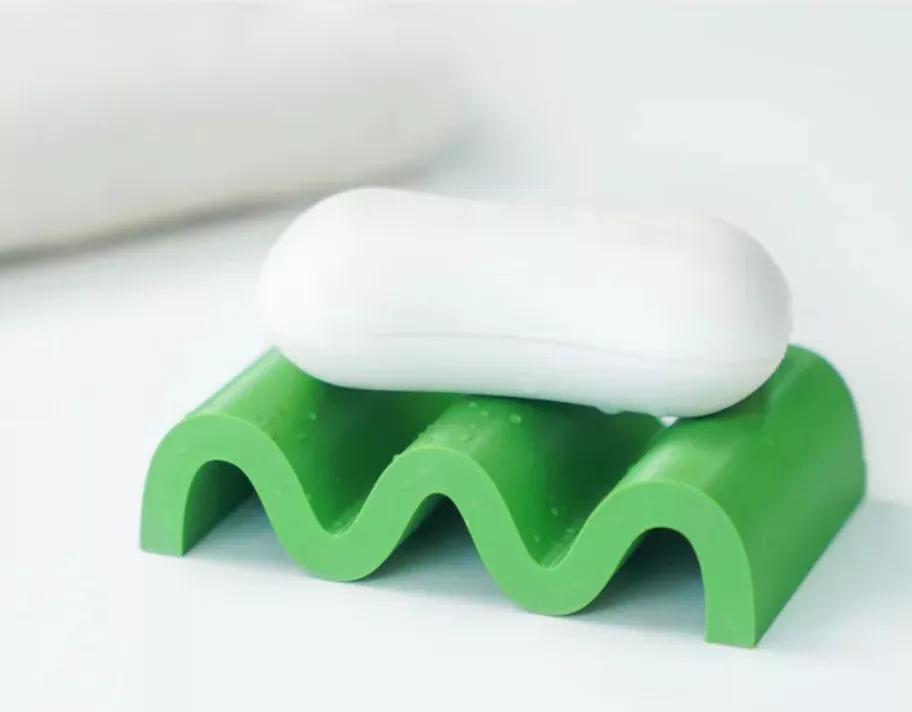
ABS boasts excellent water resistance - just 0.65% saturated water absorption - so parts stay durable in damp and outdoor conditions where other filaments swell or degrade. Combined with its UV resistance, it is well suited to bathroom fittings, garden and outdoor hardware, and anything that lives outside the workshop.
- Saturated water absorption: just 0.65% (25°C, 55% RH).
- Insoluble in water; resistant to acids and alkalis.
- UV-resistant - holds up outdoors.
Tough with High Impact Resistance
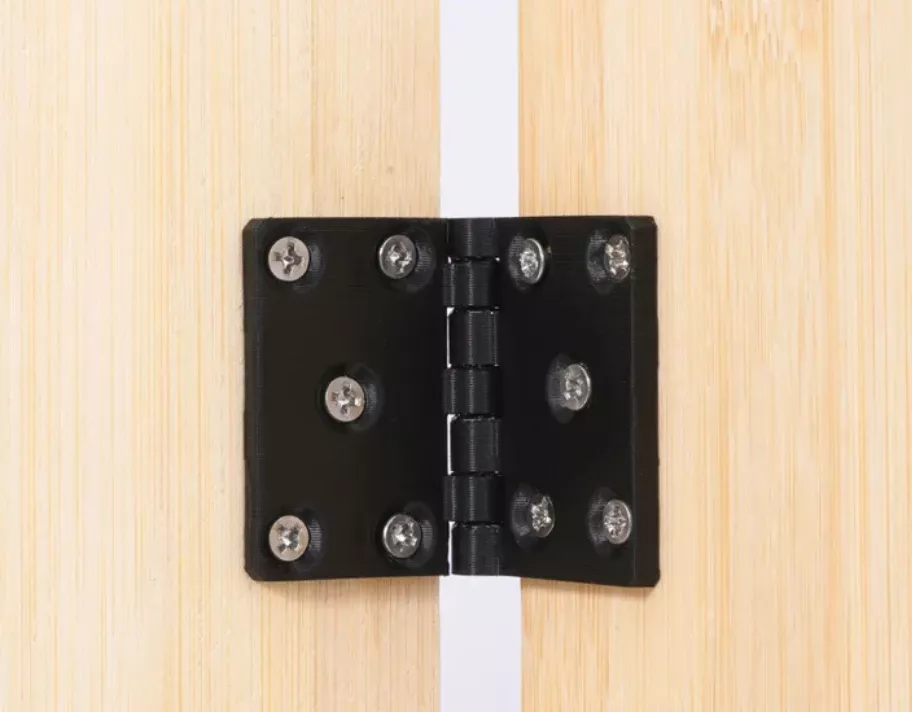
Bambu ABS is exceptionally robust: prints withstand repeated impacts, collisions and falls, and it keeps good impact resistance even at low temperatures. Bambu also tuned this formula to reduce the warping and cracking generic ABS is notorious for, while its good flow behaviour suits high-speed printing.
- Impact strength: 39.3 ± 3.6 kJ/m² (21.5 kJ/m² notched).
- Good impact resistance even at low temperatures.
- Reduced warping and cracking versus generic ABS.
What Can You Print?
Functional Parts
Brackets, mounts, jigs and connectors that need real mechanical strength and long life.
Automotive & Interiors
Trim, clips and housings that survive a car parked in the sun, where PLA would sag.
Electronics Enclosures
Cases and housings that stay stable around warm components and power supplies.
Outdoor & Wet Areas
Bathroom fittings, garden hardware and outdoor parts - water- and UV-resistant.
Prototypes & Tooling
Engineering prototypes and workshop tooling that get handled, dropped and reused.
Snap-Fits & Hinges
Living hinges, clips and press-fits that need toughness rather than brittleness.
Technical Specifications
Bambu Lab ABS
Available Colours
Tips for Best Results
Use an Enclosed Printer
ABS needs an enclosure - a stable 45-60°C chamber is what stops layers from cooling too fast and cracking. Open-frame printers will struggle with anything but the smallest parts.
Print in a Ventilated Space
ABS releases pungent, unpleasant odours while printing. Keep the printer in a well-ventilated area, ideally with a filter or extraction.
Beat Warping with Glue & Heat
Glue the plate (Engineering, High Temperature or Textured PEI), run the bed at 80-100°C, and slow the print down. Avoid very large parts or high infill density - both make warping worse.
Dry Before Use
Drying conditions: 80°C for 8 hours in a blast drying oven, or 90-100°C for 12 hours on an X1 heatbed. Store sealed with desiccant below 20% RH.
Check Your AMS
The RFID spool works with AMS 2 Pro, AMS HT and the original AMS - but ABS is NOT compatible with AMS lite. Avoid the Cool Plate SuperTack; use a Smooth or Textured PEI plate instead.
Frequently Asked Questions
Buy Bambu Lab ABS Filament Online in India
Looking for a tough, heat-resistant ABS filament in India? Bambu Lab ABS handles what PLA cannot - 87°C heat deflection, high impact strength, and water and UV resistance - making it the right pick for functional parts, automotive interiors, enclosures and outdoor hardware in Indian conditions.
At 3Ding.in, we stock genuine Bambu Lab filaments with fast shipping across India. Remember that ABS needs an enclosed 3D Printer - browse our range of enclosed FDM machines if you are printing ABS regularly.
Need something easier to print? Explore our full range of 3D Printing filaments including Bambu Lab PLA, PLA Silk+, Elegoo PLA Matte, FilamentX PLA, PETG and TPU.